

Success in Mining Hosting Isn’t an Accident
Ask ten different miners what a “good” hosting experience looks like, and you’ll get ten slightly different answers. But strip away the specifics, and the same handful of things keep showing up: predictable costs, hardware that stays online, and a provider who actually tells you what’s happening when something goes wrong.
None of that happens by luck. It’s the result of specific decisions a hosting provider makes — how they structure contracts, how they staff support, how they build (or don’t build) redundancy into their facilities. This piece breaks down what those decisions actually look like in practice, so you know exactly what to evaluate, whether you’re considering OneMiners or comparing several providers side by side.
One honest caveat before we get into it: mining economics shift constantly. Electricity pricing, network difficulty, and coin value are all moving parts no hosting provider controls. A “successful” hosting experience isn’t one that guarantees profit — it’s one that gives you the best possible operational conditions to work with whatever the market’s doing.
What “Success” Actually Means Here

It helps to define terms before going further. In the context of mining hosting, a successful experience generally comes down to four things:
• Predictable costs. You know what you’re paying and why, with no fees appearing later that weren’t in the original agreement. • High, honest uptime. Not just a number on a webpage, but a track record you can actually verify against a monitoring dashboard. • Fast, low-friction problem resolution. When something breaks — and eventually, something always does — it gets fixed quickly and you’re told what happened. • Room to grow. Adding units to an existing deployment shouldn’t require restarting the entire sales process.
Keep these four in mind. They’re the throughline for everything else in this article.
The Core Ingredients of a Successful Hosting Partnership
Transparent Pricing From Day One
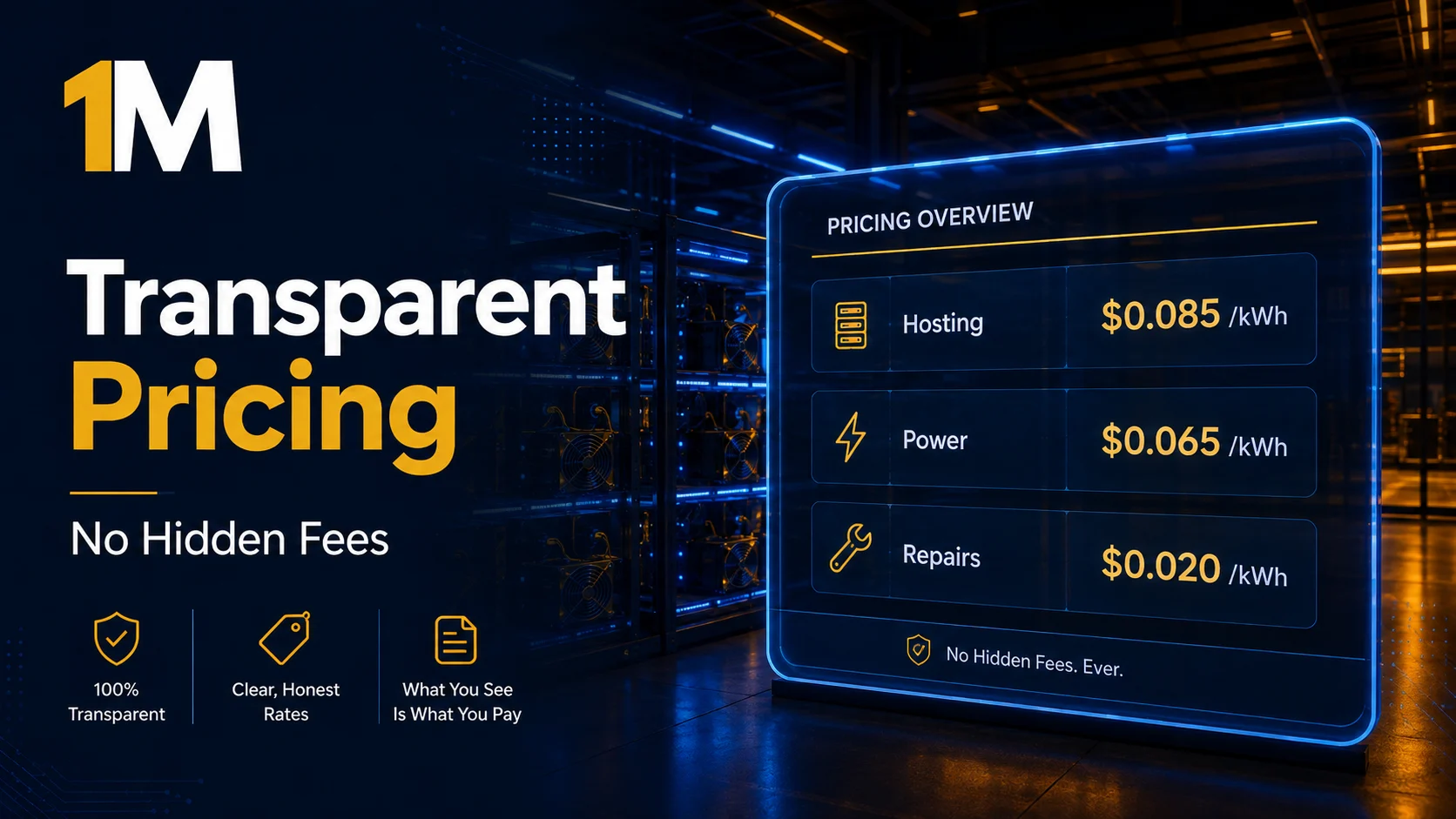
The single biggest source of friction in hosting relationships isn’t downtime — it’s billing surprises. A contract that clearly separates hosting fees, power costs, and maintenance/repair charges gives you a real basis for comparison between providers. If a quote seems unusually low, it’s worth asking directly what isn’t included, rather than finding out later.
Real Monitoring Access
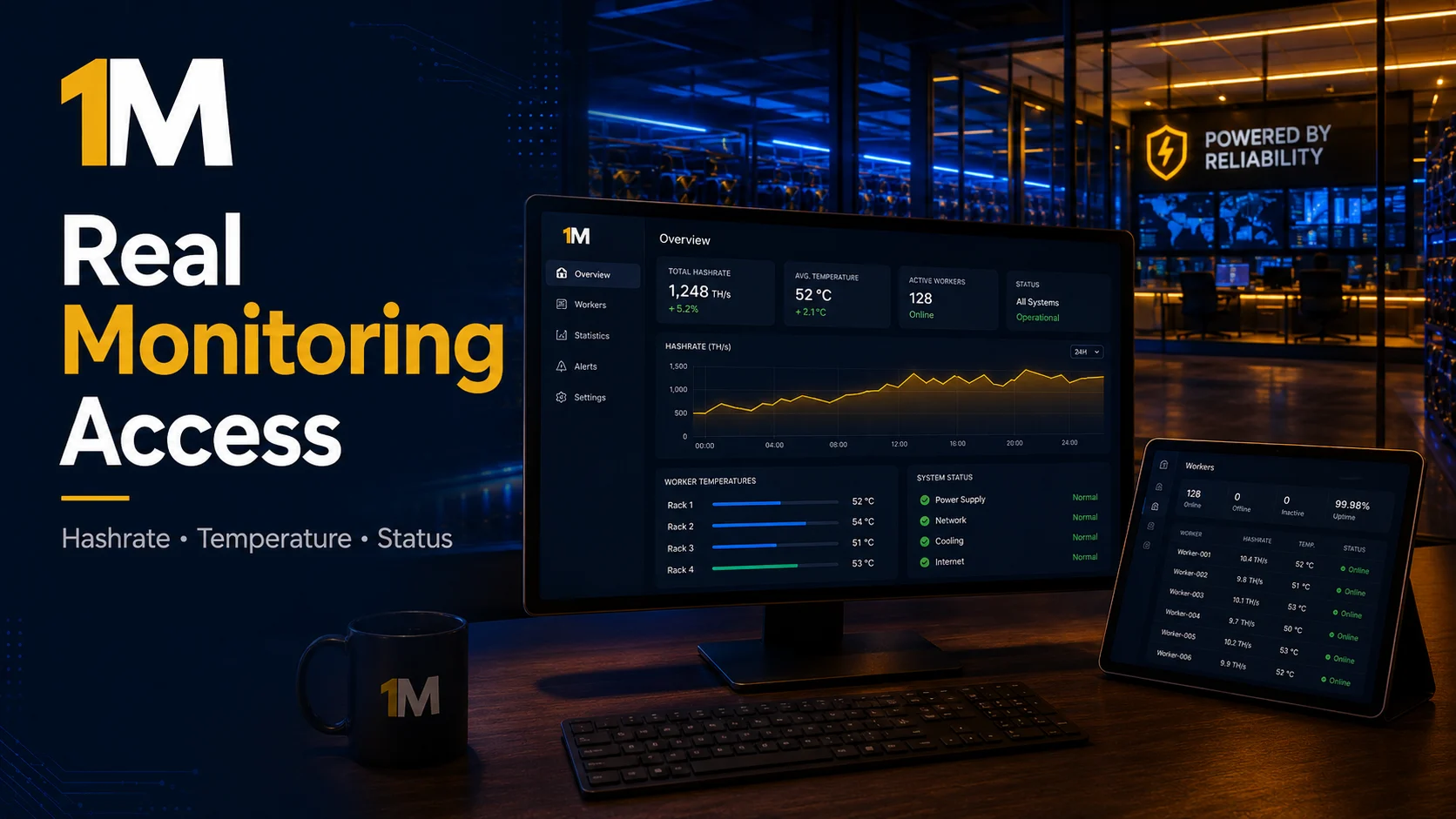
A dashboard you can check yourself — hashrate, temperature, unit status — changes the entire relationship. Instead of trusting a provider’s word that everything’s fine, you can see it. This single feature does more to build trust over time than almost anything else a provider can offer.
Fast Fault Response
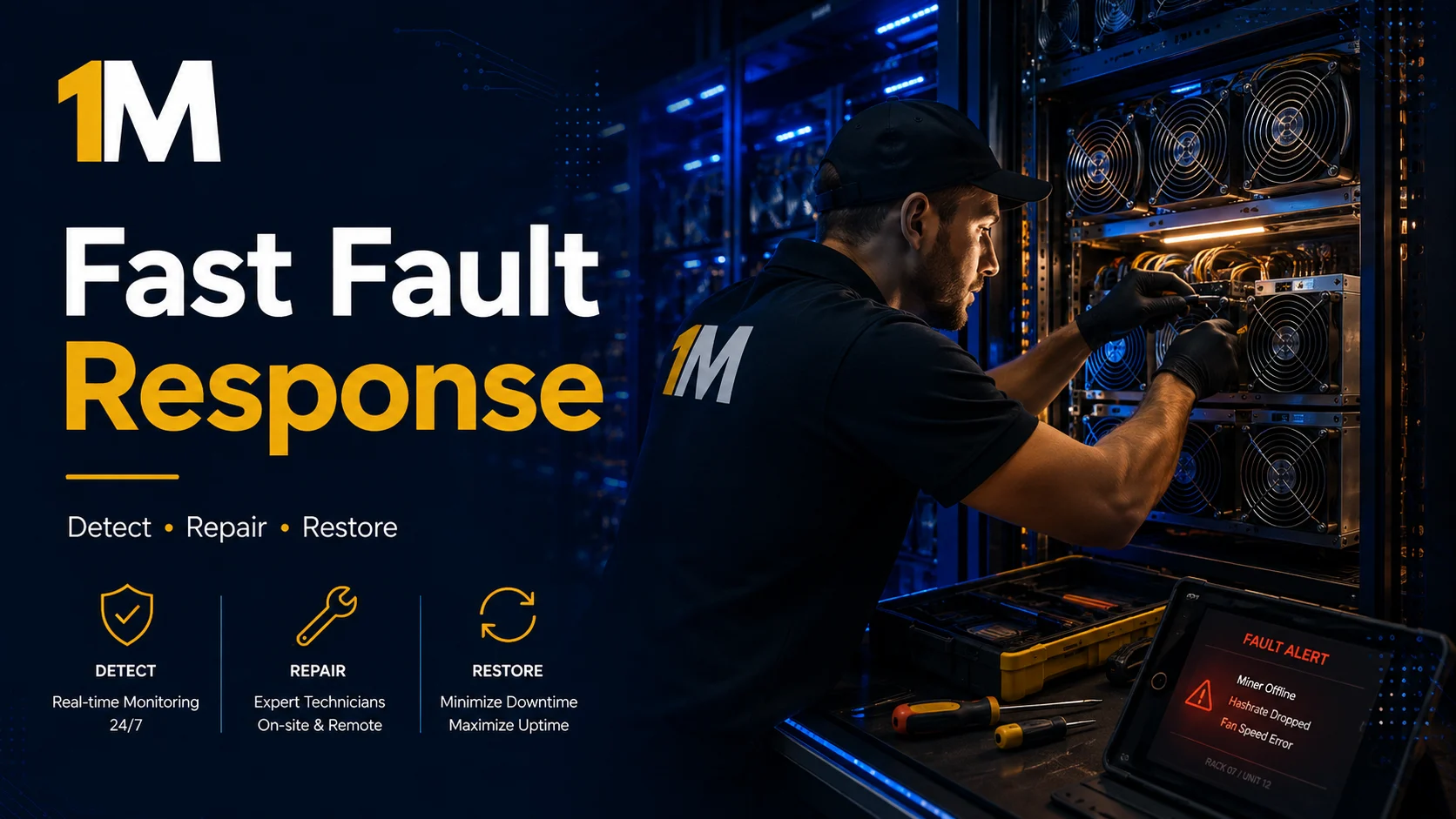
Hardware fails. Fans die, boards fry, power supplies give out. The real question isn’t whether it’ll happen, but how quickly a provider notices, communicates, and resolves it. A facility with spare parts on-site and a defined repair-time target will always outperform one that has to order components after the fact.
Proactive Communication During Outages
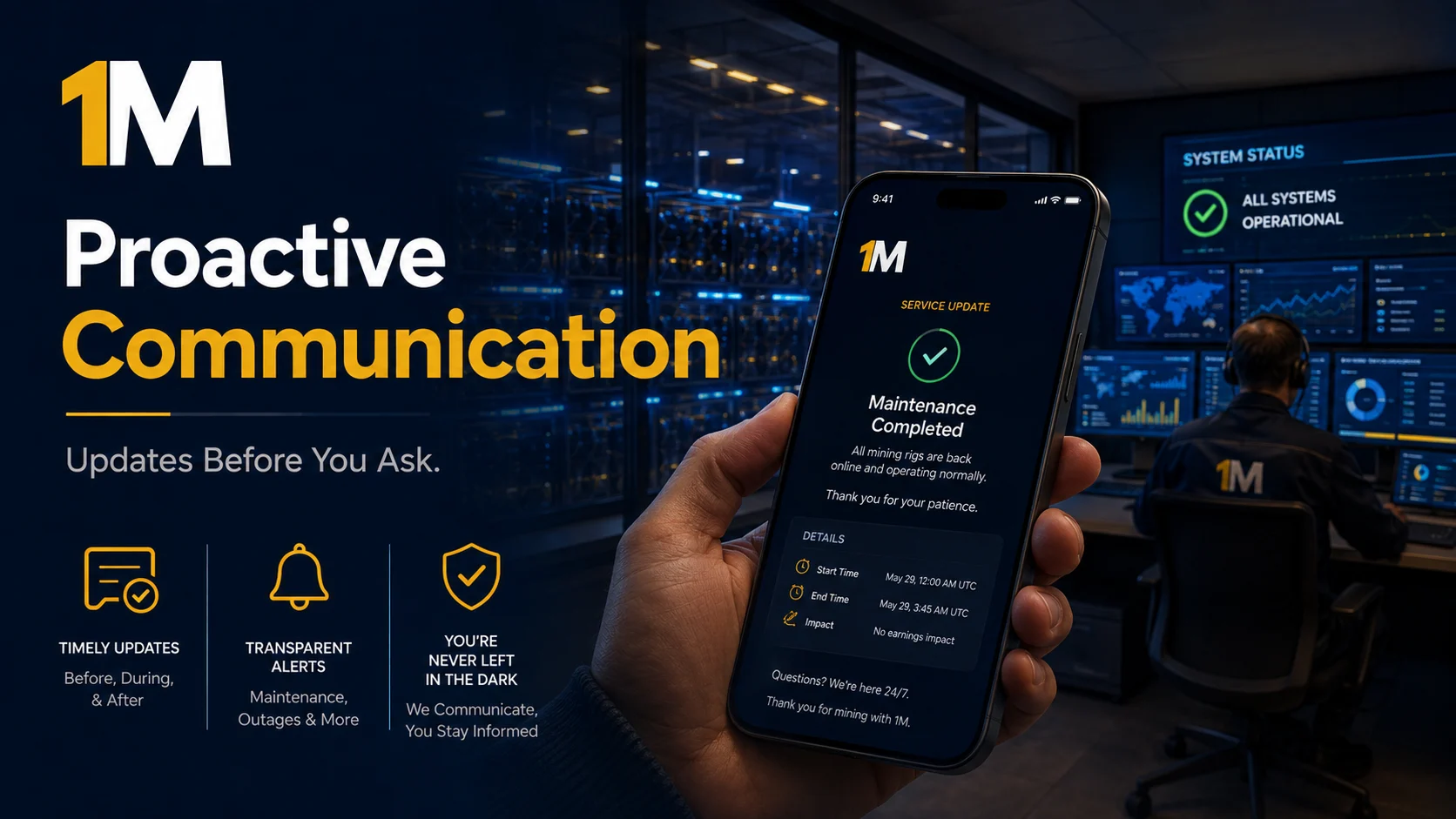
Grid issues, curtailment events, and weather-related outages happen at every facility eventually. What separates a well-run provider is whether you hear about it before you notice your dashboard going quiet, or three days after the fact when you finally ask.
Scalability Without Renegotiation Headaches
Miners who start small often want to expand once they’ve seen results. A provider that makes it easy to add units to an existing account — rather than treating every expansion as a brand-new sales negotiation — removes a meaningful amount of friction from scaling up.
Physical Security and Redundancy
Backup power, fire suppression, and access control aren’t exciting topics, but they’re the difference between a facility that shrugs off a bad week and one that doesn’t. Ask specifically about these before signing anything — most providers will happily walk you through it if they’re confident in their setup.
Where the Relationship Is Usually Won or Lost
If you break a hosting relationship into phases, three moments tend to determine whether it goes well long-term:
Onboarding. This is where expectations either get set clearly or get glossed over. A provider who walks you through the contract line by line, gives you a realistic timeline for getting your units live, and answers questions directly is signaling how they’ll handle things later. A provider who rushes this stage often rushes the rest too.
Steady-state operation. Most of a hosting relationship is quiet — rigs running, dashboards being checked occasionally, nothing dramatic happening. The quality of a provider here shows up in small things: does the monitoring tool actually reflect reality? Are invoices consistent with what was agreed? Is there a person you can reach if a question comes up?
Problem resolution. This is the real test. Anyone can look good when nothing’s going wrong. What matters is what happens during the first outage, the first hardware failure, the first unexpected fee dispute. A provider’s response in these moments tells you more about them than any amount of onboarding polish.
A Practical Checklist for Evaluating Any Hosting Provider
Whether you’re looking at OneMiners or comparing multiple providers, these are worth asking directly:
- What’s the written SLA, and specifically what counts as downtime under it?
- How are repairs billed — included in hosting fees, or charged per incident?
- How often does the facility participate in power curtailment, and is there any compensation for it?
- Can you talk to an existing customer before signing anything?
- What are the exit terms if you want to remove your hardware early?
- What backup power and fire suppression systems does the facility actually have?
A provider confident in its operations should be able to answer all six without hesitation.
Where OneMiners Fits Into This
OneMiners is built around the fundamentals covered above: a hosting agreement that lays out pricing up front, a monitoring dashboard so customers aren’t operating blind, and a support process for handling issues when they come up. As with any hosting provider, the actual day-to-day experience will vary depending on the specific facility, contract terms, and hardware involved — which is exactly why it’s worth running through the checklist above yourself rather than taking any single claim at face value, from us or anyone else.
If you’re evaluating OneMiners specifically, the most useful next step is a direct conversation — ask the six questions above, get the answers in writing, and compare them against whatever else you’re considering.
Final Thought
There’s no shortage of hosting providers making big claims. The ones worth trusting are the ones willing to answer specific, unglamorous questions clearly — about billing, about downtime, about what happens when things go wrong. Use the framework above with any provider you’re considering, OneMiners included, and you’ll have a much clearer picture of what you’re actually signing up for.
#BitcoinMining #CryptoMining #MiningHosting #OneMiners #ASICMining #CryptoInfrastructure #HostedMining #BTCMining #CryptoCommunity #MiningROI