
Introduction
Bitcoin mining has evolved into a complex and competitive industry, where profitability hinges significantly on electricity costs. As miners strive to maximize their returns, understanding the dynamics of power pricing becomes crucial. This article delves into the factors influencing Bitcoin mining profitability, particularly the role of electricity costs, and explores strategies that miners can adopt to thrive in this ever-changing landscape.
The Importance of Electricity Costs
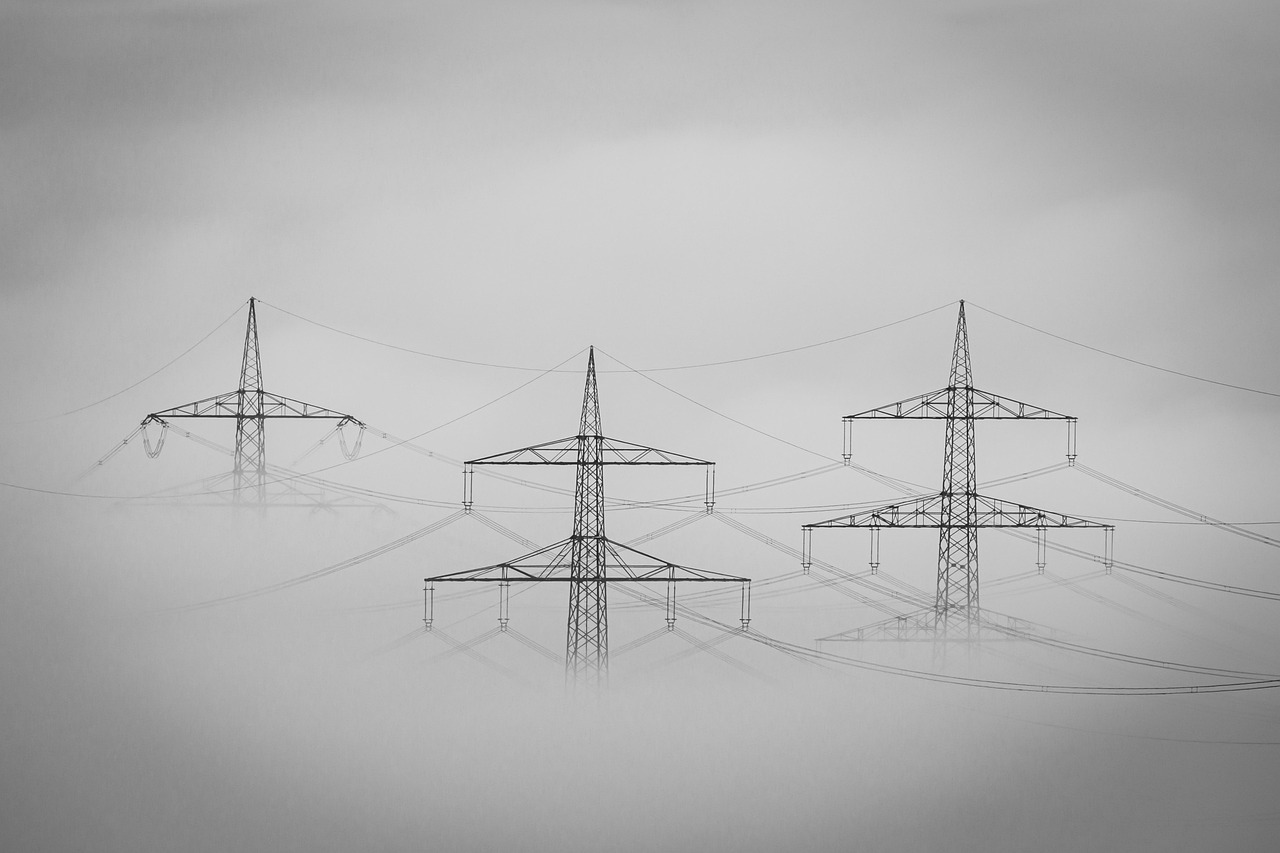
Electricity is the lifeblood of Bitcoin mining operations, accounting for a staggering 70-90% of operational expenses. The cost per kilowatt-hour (kWh) can vary dramatically based on geographical location, energy sources, and market conditions. For instance, miners in regions with abundant renewable energy sources often enjoy lower electricity rates, giving them a competitive edge.
According to a recent article from OneMiners, hosting services can provide electricity rates as low as $0.0364/kWh, significantly below market averages. This highlights the importance of selecting the right hosting provider or location for mining operations.
Market Trends and Their Impact
The cryptocurrency market is notoriously volatile, and fluctuations in Bitcoin prices can directly impact mining profitability. For example, a recent report from CoinDesk noted that Bitcoin remained relatively flat near $64,000, despite significant movements in other sectors. Such stability can be both a boon and a bane for miners, as consistent prices may lead to predictable earnings, but they can also deter new investments.
Strategies for Maximizing Profitability
To navigate the complexities of Bitcoin mining profitability, miners can adopt several strategies:
- Location Selection: Choosing a mining location with low electricity costs is paramount. Regions with surplus renewable energy, such as hydroelectric power, often provide the best rates.
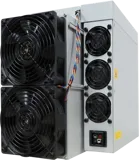
- Efficient Hardware: Investing in the latest ASIC miners can improve efficiency and reduce energy consumption. Newer models often deliver higher hash rates with lower power requirements.
- Energy Contracts: Long-term energy contracts can lock in lower rates, protecting miners from price fluctuations.
Risks and Challenges
While the potential for profit in Bitcoin mining is enticing, several risks must be considered:
- Regulatory Changes: Governments worldwide are increasingly scrutinizing cryptocurrency operations. Regulatory changes can impact mining operations, especially regarding energy consumption and environmental concerns.
- Market Volatility: The cryptocurrency market is subject to rapid price changes, which can affect profitability. Miners must be prepared for potential downturns.
- Technological Advancements: The pace of technological change in mining hardware can render older models obsolete, necessitating continuous investment.

Case Studies: Successful Mining Operations
Several mining operations have successfully navigated the challenges of the industry:
One notable example is a mining facility in Norway, which leverages the country's abundant hydroelectric power to maintain low electricity costs. This strategic advantage allows them to operate profitably even during market downturns.
Conversely, a mining operation in a region with high electricity costs struggled to maintain profitability, highlighting the critical role of energy expenses in the mining equation.
Conclusion
In conclusion, the future of Bitcoin mining will be heavily influenced by electricity costs and market dynamics. Miners must remain vigilant and adaptable, employing strategies that prioritize efficiency and cost-effectiveness. By understanding the intricacies of power pricing and market trends, miners can position themselves for success in this competitive landscape. As the industry continues to evolve, staying informed and proactive will be key to achieving long-term profitability.